
Anthony — TSSA-Certified G1 Gas Technician
TSSA G1 licence #TBD · 15+ years in gas and mechanical trades · Service area: Greater Toronto Area, Ontario
Last updated: 2026-08-07
What a Type A tag means
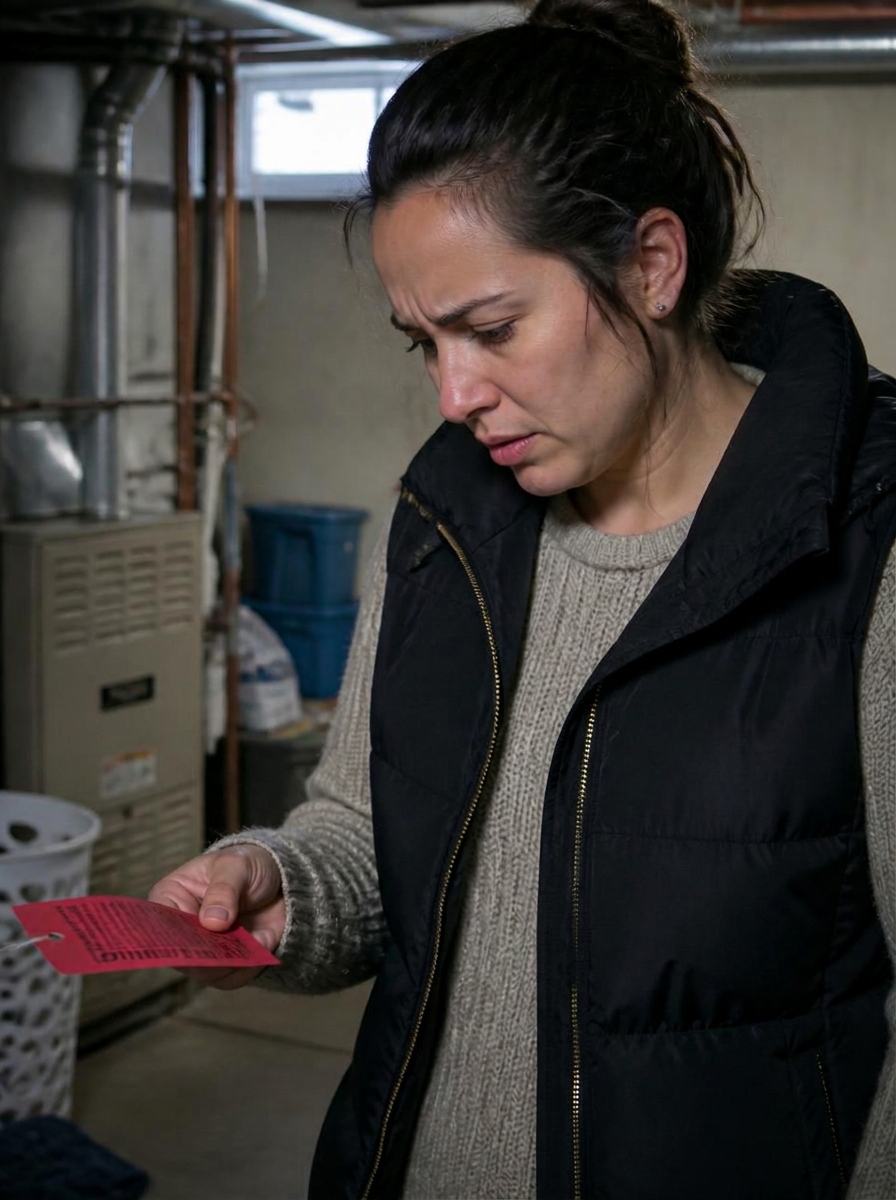
A Type A tag means an immediate hazard was found and the gas supply was shut off at the appliance on the spot. The appliance stays out of service until a TSSA-registered contractor corrects the defect and returns it to service.
On a furnace, the most common cause is a cracked heat exchanger. The heat exchanger is the steel wall separating combustion gases from the air blown through your house. Once it cracks, that separation is gone, and combustion products — including carbon monoxide — can enter the air supply and be distributed through every register in the home. There is no repair for a cracked heat exchanger; the appliance is replaced.
That is why the valve was closed rather than a deadline written. A Type B tag gives you time because the appliance is still safe to operate; a Type A tag does not, because it isn't.
Other common Type A causes
Cracked heat exchangers are the most common furnace finding, but they are not the only reason gas gets shut off on the spot. Each of the following is an active hazard rather than a deficiency with a deadline.
- Confirmed gas leak — leaking piping, a failed connector, or a leaking valve detected on test. Gas is closed until the section is repaired and pressure-tested.
- Flue gas spillage — exhaust rolling back out of the draft hood into the room instead of going up the vent, usually detected by a spillage test at start-up.
- Blocked venting — a collapsed liner, nesting, debris, ice, or a chimney that has partially fallen in on itself.
- Improperly installed venting — wrong pipe material, insufficient rise or slope, disconnected sections, an orphaned water heater on an oversized chimney, or a vent terminating too close to a window or intake.
What happens when we arrive
The same four steps as any clearance, compressed for urgency. No-heat calls with a Type A tag go to the front of the schedule.
- We read the tag. Photos sent ahead — the tag, the appliance data plate, the venting — mean the visit starts with the defect already understood rather than discovered.
- We diagnose. A TSSA-certified G1 technician confirms the finding on site, because what a tag cites and what actually caused it are not always the same thing.
- We correct what's in scope on site. Piping, connectors, valves, controls, combustion air, and vent connections are handled during the visit wherever parts allow, so gas can be restored the same day.
- We coordinate and manage the rest. Chimney relining, electrical for a power vent, or an appliance replacement gets scheduled with vetted specialists and followed through until the appliance is back in service.
If you have no heat
Treat it as a cold-weather problem to manage for a day or two, not something to solve by reopening the gas. Electric space heaters are the safe interim option: one per circuit, plugged directly into a wall outlet rather than an extension cord or power bar, kept a metre clear of bedding, curtains, and furniture, and switched off when everyone is asleep or out.
Never use a gas range, oven, barbecue, or unvented propane heater to warm a room. Those are the situations that turn a shut-off appliance into a carbon monoxide call. Keep at least one working CO alarm on every level of the home and test it now.
Protect the plumbing while the heat is off. Keep the house above roughly 15°C where you can, open cabinet doors under sinks on exterior walls, and let a cold tap run to a trickle overnight in a hard freeze. If the home cannot be kept safely warm — infants, elderly residents, or anyone with a medical need — arrange somewhere else to stay for the night and tell us, because it changes how we schedule you.
If you smell gas at any point, leave the building first, then call the gas utility's emergency line from outside. That call comes before ours.
Call now
Phone is fastest for a Type A tag. Call (519) 493-1355 and have the tag in your hand — the class, the date, and the cited defect are the first three things we will ask for. If you would rather send it, upload photos of the tag and appliance below and we will call you back.
Not shut off, but holding a tag with a deadline on it? Start with red tag clearance instead — it covers Type B timelines, who is allowed to do the work, and what the process costs you in time.
Frequently asked questions
What does a Type A tag mean?
A Type A tag means an immediate hazard was found and the gas supply was shut off at the appliance on the spot. The appliance cannot be used until a TSSA-registered contractor corrects the defect and returns it to service. On furnaces the most common cause is a cracked heat exchanger, which can let combustion gases including carbon monoxide into the air supply.
Can I turn my gas back on myself?
No. The valve was closed because something was found actively unsafe, and reopening it puts the household at risk of carbon monoxide exposure, fire, or explosion. The appliance is returned to service by a TSSA-registered contractor after the defect is corrected and verified.
How fast can you come out?
Same-day response across the Greater Toronto Area, with Type A tags and no-heat households scheduled first. Sending photos of the tag when you call speeds the visit up, because the defect is understood before the technician arrives.