
Anthony — TSSA-Certified G1 Gas Technician
TSSA G1 licence #TBD · 15+ years in gas and mechanical trades · Service area: Greater Toronto Area, Ontario
Last updated: 2026-08-07
What a red tag actually is
A red tag is a warning tag attached to a gas appliance or gas piping when it has been found unsafe. Some contractors call it a safety violation tag; the colour is what everyone remembers, but the document is a written warning that names a specific defect.
Tags are issued by a TSSA-certified gas technician — that can be a technician working for the gas utility, a service contractor, or an independent inspector. Whoever issued it, the tag records what was found, which appliance it applies to, and what class of hazard it represents. It is not a fine and it is not a repair order pointing at one company. It is a statement that the appliance cannot be considered safe in its current condition.
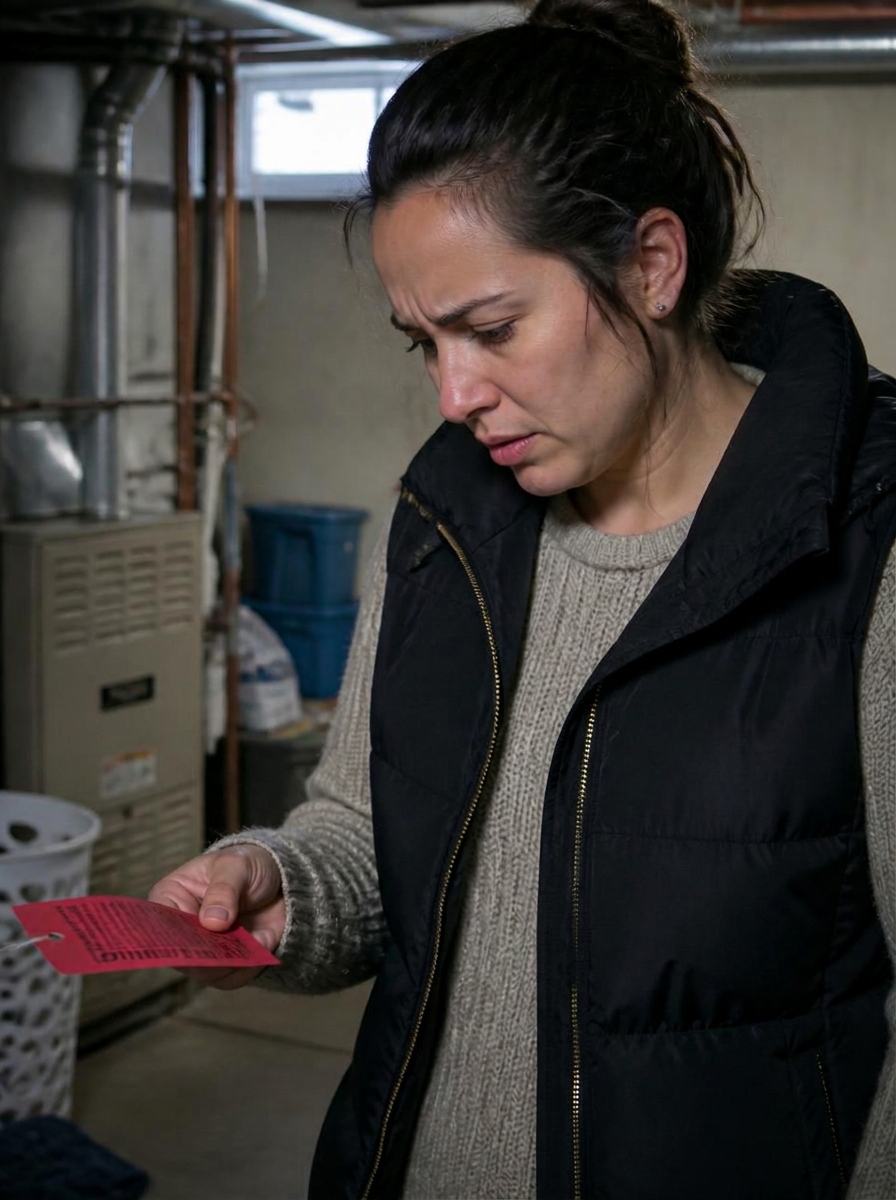
The tag itself is the most useful document you have right now. Before anything else, take a clear photo of the front and back. The wording on it determines how urgent the situation is, who needs to be involved, and how quickly the appliance can go back into service.
Type A vs Type B
A Type A tag means an immediate hazard was found and the gas is shut off on the spot. A Type B tag means the appliance can keep running, but the deficiency must be corrected by the expiry date printed on the tag.
With a Type A tag, the appliance is taken out of service before the technician leaves. The gas supply is closed at the appliance or at the meter, and it stays closed until a certified technician corrects the defect and returns the appliance to service. Turning it back on yourself is the one thing you should not do — the shut-off exists because something was actively unsafe.
With a Type B tag, you keep heat, hot water, or your range in the meantime, but the clock is running. If the correction is not completed and the appliance is not signed off by the date on the tag, the utility is notified and gas service is suspended. That suspension is procedural — it happens because the deadline passed, not because someone re-inspected and found something worse.
Check the actual date printed on your own tag rather than assuming a standard window. Deadlines vary with the defect and with the technician who wrote the tag, and the date on the paper is the only one that counts. If the tag is faded, water-damaged, or partially torn, photograph what remains and treat the earliest legible date as the deadline.
| Type A | Type B | |
|---|---|---|
| Hazard level | Immediate | Deficiency, not immediate |
| Gas supply | Shut off on the spot | Left on |
| Appliance use | Out of service until cleared | May continue until the expiry date |
| Deadline | Now — the appliance is already off | The expiry date printed on the tag |
| If nothing is done | Appliance stays off | Utility notified, gas service suspended |
You can hire any TSSA-registered contractor
You are not obligated to use the company that tagged you. The correction can be completed by any TSSA-registered contractor holding the right certification for the appliance, and you are free to get a second opinion or a second price before committing.
That matters more than it sounds. A tag is often written by whoever happened to be in the mechanical room — a utility technician responding to a call, a contractor doing an unrelated service, an inspector during a real estate transaction. None of that creates an obligation to buy the repair from them, and none of it means the first quote you receive is the only route back to gas.
What is not optional is who does the work. Only a TSSA-registered contractor can perform the corrections that clear a tag and return the appliance to service. Homeowner DIY cannot clear a tag no matter how competent the work is, because clearance depends on certified sign-off, not on the appliance appearing to run. Removing the tag yourself changes nothing except your evidence trail — and it will surface again at the next inspection, insurance claim, or home sale.
How our process works
Four steps, in the same order every time. You know what is happening at each one, and one technician stays responsible for the file from the first photo to the moment gas is restored.
- We read the tag. Send photos of the tag, the appliance data plate, and the venting or piping around it. The wording tells us the class, the deadline, and the specific defect that was cited.
- We diagnose. A TSSA-certified G1 technician inspects the appliance on site and confirms the root cause, because the tag records a finding, not always the underlying reason for it.
- We correct what's in scope on site. Gas piping, connectors, controls, valves, venting connections, combustion air, and appliance repairs are handled during the visit wherever parts and conditions allow.
- We coordinate and manage the rest until it clears. Chimney relining, electrical circuits for power venting, and structural work go to vetted specialists we schedule and follow through on — with the gas technician retaining sign-off responsibility.
What we service
We work on the gas appliances found in Greater Toronto Area homes and small buildings: furnaces, water heaters, boilers, gas fireplaces, pool heaters, gas ranges, gas dryers, and gas piping.
Failure patterns differ by appliance. Furnaces are most often tagged for heat exchanger findings, venting, or spillage. Water heaters are frequently tagged after a furnace upgrade leaves them orphaned on an oversized chimney. Boilers bring higher input ratings and their own combustion adjustment. Fireplaces and pool heaters usually come down to venting, pilot assemblies, or clearances. Ranges and dryers are most often a connector, a shut-off, or an unsecured appliance. Gas piping itself is tagged for leaks, missing shut-offs, absent drip legs, unsupported runs, or unapproved materials.
Where we work
We cover the Greater Toronto Area: Toronto, North York, Etobicoke, Scarborough, Mississauga, Brampton, Vaughan, Markham, Richmond Hill, Pickering, Ajax, Whitby, and Oshawa.
Scheduling priority goes to Type A tags where the household has no heat or no hot water, and to Type B tags with a deadline inside the next several days. If your address sits just outside that list, send the tag anyway — the answer is either yes, or a straight referral rather than a wasted week.
Gas shut off right now?
If your gas has already been shut off under a Type A tag, start with the emergency page — it covers what to do in the first hour, what the most common Type A causes are, and how no-heat situations are handled. Otherwise, send your tag photos here and we will tell you what it says and what it takes.
Frequently asked questions
What is a red tag?
A red tag is a warning tag placed on a gas appliance or gas piping by a TSSA-certified gas technician when it is found unsafe. Some contractors call it a safety violation tag. It names the specific defect found and states whether the appliance may keep operating.
What's the difference between Type A and Type B?
A Type A tag means an immediate hazard was found and the gas is shut off on the spot, so the appliance cannot be used until it is corrected and returned to service. A Type B tag means the appliance can keep running, but the deficiency must be corrected by the expiry date printed on the tag or the utility is notified and gas service is suspended.
Do I have to use the company that tagged me?
No. You can hire any TSSA-registered contractor certified for that appliance, and you are free to get a second opinion or a second price. The tag records a finding; it does not assign the work to whoever wrote it.
How long do I have to fix a red tag?
A Type A tag gives you no window at all — the appliance is already shut off and stays off until it is corrected. A Type B tag has an expiry date printed on the tag itself, and that printed date is the one that counts, so check your own tag rather than assuming a standard period.
Who is allowed to remove a red tag?
Only a TSSA-registered contractor with the appropriate gas certification can complete the corrective work and return the appliance to service. Homeowner DIY cannot clear a tag, and physically pulling the tag off without certified sign-off does not resolve it.