
Anthony — TSSA-Certified G1 Gas Technician
TSSA G1 licence #TBD · 15+ years in gas and mechanical trades · Service area: Greater Toronto Area, Ontario
Last updated: 2026-08-07
Step 1 — Read your tag
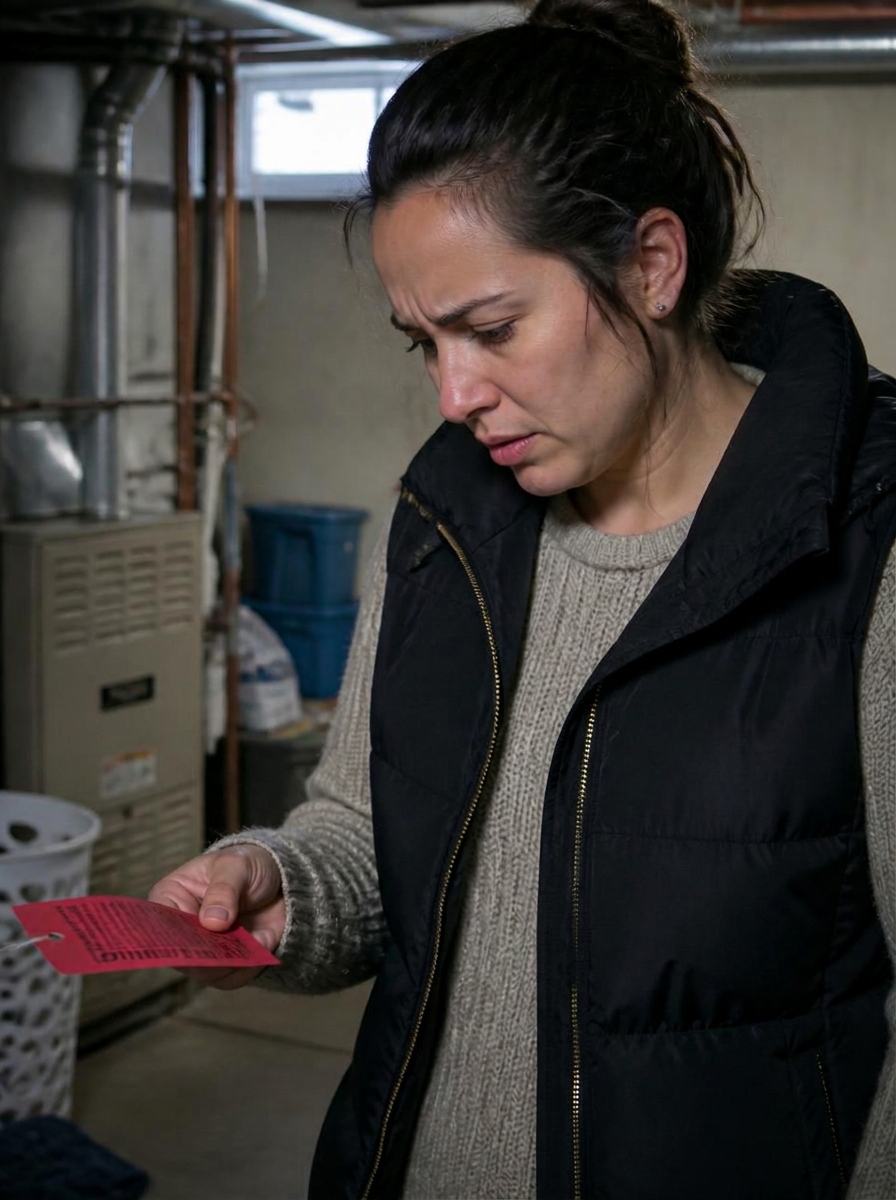
Everything you need to plan the next week is printed on the tag itself. Read it before you call anyone, because the class of the tag decides how urgent this is and the cited reason decides who needs to be involved.
Photograph it first — front and back, close enough that the handwriting is legible — before anyone touches it, removes it, or works on the appliance. Tags get pulled off, rained on, or thrown out, and the photo is often the only surviving record of what was found and by whom.
- The class: Type A or Type B. It is usually printed on the tag or marked with a checkbox. This is the single most important thing on it.
- The reason for the tag: the defect the technician found, often written by hand. It may cite a code clause, a component, or a condition such as spillage or a leak.
- The expiry date, if there is one. Type B tags carry a date. Type A tags generally do not, because the gas is already off.
- Who issued it: the company name, the technician's name, and their registration or certificate number.
- The appliance it applies to. A tag on a water heater is not a tag on your furnace, and vice versa.
Step 2 — Work out how much time you have
Your timeline comes from the class of tag. Type A means an immediate hazard was found and the gas was shut off at the appliance on the spot — there is no waiting period, because the appliance is already out of service. Type B means the appliance can keep running until the date printed on the tag, after which the utility is notified and gas service to that appliance is suspended.
Timeframes vary by the defect cited, the appliance, and the contractor who issued the tag. Go by the date printed on your own tag, not by a number you read online — including this page. If there is no legible date and the tag is Type B, ask the issuing contractor to confirm it in writing.
Two practical points. The deadline is a deadline for the correction, not for booking the appointment, so leave room for parts and scheduling. And a Type B tag can become a Type A situation if the appliance deteriorates in the meantime, which is why running one to the last day is a bad plan.
Step 3 — Choose your contractor
You are free to hire any TSSA-registered contractor to do the correction. You are not obligated to use the company that tagged the appliance, and choosing someone else does not invalidate the tag or restart anything.
This matters more than people expect. The technician who found the problem was often there for something unrelated, may not hold the certification for the repair that is needed, and may only offer replacement where a repair exists. A different registered contractor can look at the same tag and reach a different, equally legitimate scope.
The TSSA maintains a public directory of registered contractors that anyone can search. You can also ask a contractor directly for their registration and their technician's certification level, and a legitimate one will give you both without hesitating. Verify before work starts, not after.
Step 4 — Get a diagnosis, not just a quote
A quote tells you a price. A diagnosis tells you what failed, why the tag was issued, and what specifically has to change for the appliance to pass. Ask for the second one before you agree to the first.
Some tags come from a single failed component — a gas valve, a pressure switch, a leaking connector, a flame rollout switch — or from an installation and clearance issue such as vent slope, combustible clearance, missing drip legs, or an unsupported gas line. Those are corrections, not replacements.
Other tags do mean the appliance is finished. A cracked heat exchanger has no repair; the furnace is replaced. Both outcomes are legitimate. The point is knowing which one you are actually looking at before you spend, and a contractor who can explain the difference in plain language on your own equipment is telling you something useful about how the rest of the job will go.
Step 5 — Have the correction done and verified
The correction is the actual removal of the defect, done by a certified gas technician working within their certification level. Verification is the check afterwards that proves it worked — and both have to happen before the appliance goes back in service.
What verification involves depends on what was wrong. Repaired or altered gas piping is pressure-tested and leak-checked. Venting and combustion work is confirmed with a spillage test and combustion readings at the appliance under operating conditions. Control and safety-device replacements are proven through a full start-up and shutdown cycle.
Where the correction crosses into another trade — chimney relining, an electrical circuit for a power vent, structural work for clearances — that work has to be completed and inspected before the gas technician can finish and return the appliance to service. Sequence it deliberately, or you will pay for two visits.
Step 6 — Confirm the tag is cleared and keep your paperwork
Once the correction is verified, the contractor returns the appliance to service and the tag is cleared. Ask them to confirm it in writing and to state on the invoice which tag it relates to, what defect was corrected, and what tests were performed.
Keep the tag photo, the invoice, the written scope, and the contractor's registration details together in one place. This paperwork is what proves the appliance was corrected properly by someone certified to do it.
It matters later. On a home sale, a buyer's inspection or a lawyer's request for records will surface a past tag, and documentation ends the conversation quickly. On an insurance claim involving fire, carbon monoxide, or water damage from a heating failure, an insurer will ask who did the work and whether they were registered. Unrecorded work by an unregistered person is exactly the gap that gets a claim questioned.
Common reasons this takes longer than it should
Most delays are not technical. They come from scope, parts, or nobody owning the sequence.
- The correction needs a trade outside the tagging contractor's scope — a chimney liner, an electrician, a roofer, a mason. The gas work is quick; waiting on the other trade is not.
- Parts on an older appliance. Discontinued control boards, valves, and inducers can take days to source, and on some units they are no longer available at all, which turns a repair into a replacement decision mid-job.
- Nobody is managing the sequence. Three contractors each waiting on another one is the most common reason a two-day job becomes a three-week job.
- Access and scheduling — a tenant-occupied unit, a locked mechanical room, or a condo requiring building approval before work starts.
- The diagnosis changes once the appliance is opened. What the tag cites and what actually caused it are not always the same thing.
How we handle it
A TSSA-certified G1 technician reads your tag, explains what you were actually tagged for, and corrects what is in scope on site — piping, connectors, valves, controls, combustion air, and vent connections — wherever parts allow. Anything outside that scope is scheduled with vetted specialists and managed in sequence until the appliance is verified and the tag is cleared. You get told what is wrong, what it costs, and what happens next, in that order.
Send photos of your tag and we will tell you which category you are in. If your gas is already off, start with emergency red tag response instead.
Frequently asked questions
How do I get a red tag removed?
The underlying safety defect has to be corrected by a TSSA-registered contractor, and the correction has to be verified before the appliance is returned to service and the tag is cleared. In practice that means reading the tag, confirming whether it is Type A or Type B, hiring a registered contractor, getting a diagnosis of the cited defect, having the correction done and tested, and keeping the written record.
How long do I have to fix a red tag?
A Type A tag gives you no waiting period, because the gas has already been shut off at the appliance. A Type B tag allows the appliance to keep running until the expiry date printed on the tag, after which the utility is notified and gas service to that appliance is suspended. Timeframes vary, so go by the date on your own tag rather than a general figure.
Can I remove a red tag myself?
No. Physically pulling the tag off changes nothing, because the appliance is out of service due to the defect and the record of it, not the piece of cardboard. Correcting gas work and returning an appliance to service requires a certified gas technician working for a TSSA-registered contractor.
Do I need to replace my furnace to clear a red tag?
Not always. Many tags come from a single failed component or an installation and clearance issue, both of which are corrected without replacing the appliance. Some findings — a cracked heat exchanger in particular — have no repair, and the furnace is replaced. Get a diagnosis of the specific defect cited on your tag before deciding.